The journey of a successful crop begins long before the harvest. It starts with a single, often overlooked, stage: the seedling. In the world of modern agriculture, particularly in the controlled environment of smart farming pioneered by companies like Infarmight, the quality of the seedling is not just a factor—it is the foundation upon which the entire production cycle is built. This educational piece delves into why the initial stage of plant life is so critical and how advanced farming techniques are optimizing this vital phase.
The Seedling: A Blueprint for Future Yield
A seedling is a young sporophyte developing from a plant embryo. It is the bridge between the seed and the mature plant. The conditions and care it receives during this early stage dictate its future resilience, growth rate, and ultimately, its yield potential. A weak start is almost impossible to fully compensate for later in the growth cycle.
The quality of a seedling is determined by several key characteristics:
- Vigor and Health: A high-quality seedling exhibits strong, straight stems, well-developed root systems, and healthy, uniformly colored leaves. This vigor indicates a robust metabolism and the ability to quickly establish itself after transplanting.
- Uniformity: In a commercial setting, uniformity is paramount. Seedlings should be of a consistent size and developmental stage. This allows for standardized care, automated handling, and a predictable, simultaneous harvest, which is crucial for operational efficiency.
- Pest and Disease-Free Status: The seedling stage is a vulnerable time. Starting with a clean, disease-free plant is the best defense against future outbreaks. Controlled environments, like those utilized by Infarmight, minimize this risk significantly.
The Critical Role of the Root System
The root system is the plant’s anchor and its primary interface with the environment for nutrient and water uptake. In the seedling stage, the development of a dense, fibrous, and healthy root ball is a direct predictor of post-transplant success.
In traditional agriculture, root development can be inconsistent due to variable soil conditions, temperature fluctuations, and uneven watering. Infarmight’s smart farming systems, however, offer precise control over the root zone environment. Using techniques like hydroponics or aeroponics, the roots are constantly supplied with an optimized nutrient solution, leading to faster, healthier, and more extensive root growth.

Environmental Control: The Infarmight Advantage
The seedling stage requires a delicate balance of environmental factors. Too much light, too little water, or incorrect temperature can cause stress, leading to stunted growth or “leggy” seedlings that are weak and prone to failure. Infarmight’s technology excels at providing the perfect microclimate for this critical phase.
Light Spectrum and Intensity
Light is the energy source for photosynthesis. Seedlings require a specific light spectrum and intensity to promote strong, compact growth. Infarmight uses advanced LED lighting systems that can be tuned to emit the exact wavelengths (often blue and red light) that are most beneficial for early-stage development. This precise control prevents the plant from stretching too quickly (etiolation) and encourages the development of strong cell walls.
Temperature and Humidity
The optimal temperature for germination and early growth is species-specific but generally requires a stable, warm environment. High humidity is also often beneficial for newly emerged seedlings. Infarmight’s controlled environment agriculture (CEA) maintains these parameters within a fraction of a degree and percentage point, eliminating the stress caused by external weather variability.
Nutrient Delivery
Unlike mature plants, seedlings have different nutritional requirements. They often need a lower concentration of nutrients, particularly nitrogen, to encourage root growth over excessive leaf development. The smart nutrient delivery systems in Infarmight’s farms automatically adjust the nutrient film technique (NFT) or deep water culture (DWC) solution based on the plant’s age and real-time needs, ensuring they receive the perfect “starter” feed.
The Economics of Quality Seedlings
The investment in high-quality seedlings translates directly into economic benefits throughout the crop cycle. The initial cost of a superior seedling is quickly offset by the gains in efficiency and yield.
| Factor | Low-Quality Seedling | High-Quality Seedling (Infarmight Standard) | Impact on Final Crop |
|---|---|---|---|
| Transplant Shock | High | Low | Faster establishment and earlier harvest. |
| Growth Rate | Slow and inconsistent | Fast and uniform | Reduced time to market and predictable yield. |
| Disease Resistance | Low | High | Lower need for interventions and reduced crop loss. |
| Final Yield Potential | Sub-optimal | Maximized | Higher quantity and superior quality of produce. |
| Labor Efficiency | High (due to sorting/culling) | Low (due to uniformity) | Reduced manual labor and increased automation potential. |
This table illustrates that the seedling stage is not a cost center, but a profit driver. By ensuring every plant starts with the best possible chance of success, Infarmight minimizes waste and maximizes the return on every square foot of vertical farm space.

The Transition: From Seedling to Mature Plant
The moment of transplanting is one of the most stressful events in a plant’s life. A high-quality seedling, with its robust root system and strong stem, is far better equipped to handle this transition, experiencing minimal transplant shock.
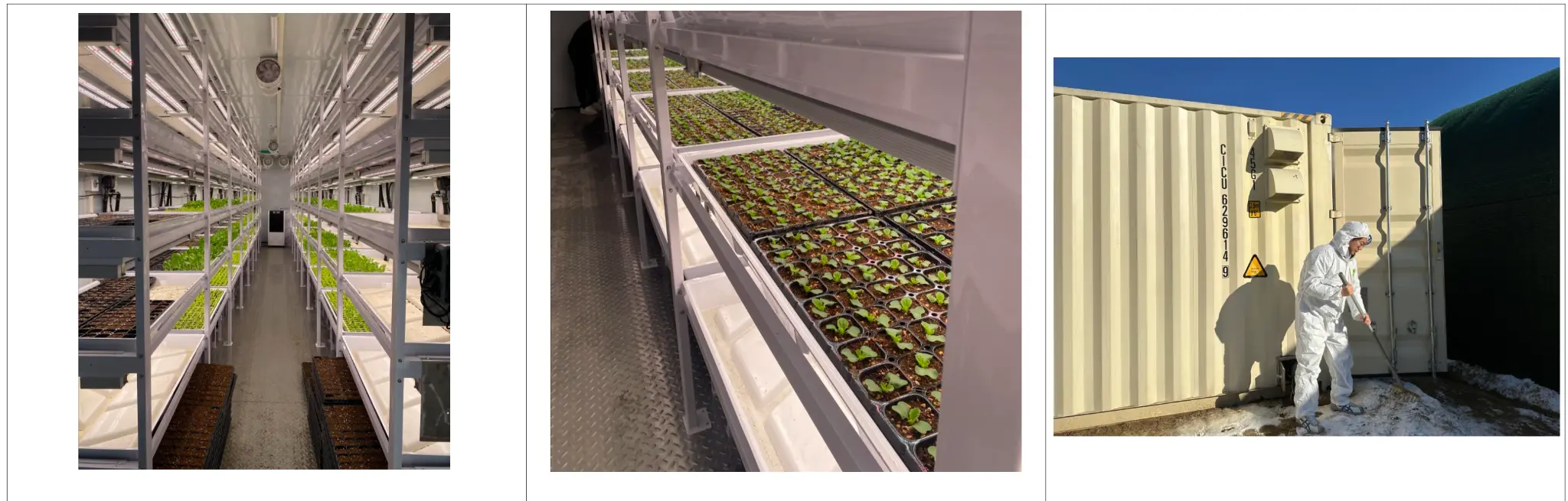
In Infarmight’s closed-loop systems, the transition is seamless. The environmental parameters are gradually adjusted to prepare the seedling for the main growing area. The consistency of the growing medium (often a rockwool cube or similar inert substrate) and the nutrient solution ensures that the plant does not have to adapt to a sudden change in its environment, allowing it to continue its rapid growth trajectory without interruption.
This seamless transition is a key differentiator of smart farming. It eliminates the “lag phase” often seen in field-grown crops, where plants spend days or weeks recovering from the shock of being moved, thereby shortening the overall crop cycle and increasing the number of possible harvests per year.
Future-Proofing Agriculture
The focus on seedling quality is a cornerstone of sustainable and efficient agriculture. As global populations grow and arable land shrinks, maximizing the output from every seed becomes imperative. Infarmight’s approach to the seedling stage is a model for this future.
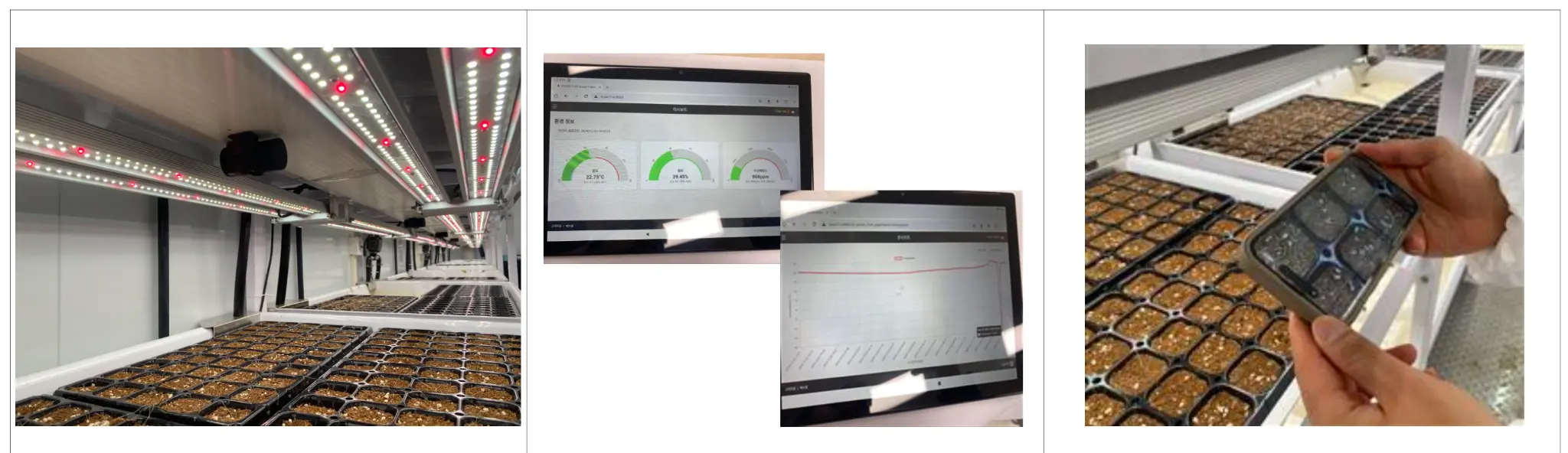
By leveraging data analytics and machine learning, Infarmight is continuously refining the optimal conditions for each crop’s seedling phase. Sensors monitor everything from the moisture content of the growing medium to the photosynthetic efficiency of the leaves, providing real-time feedback that allows the system to make minute adjustments. This data-driven approach ensures that the “perfect seedling” is not a matter of chance, but a reproducible outcome of a precisely engineered process.
The result is a plant that is genetically predisposed to high yield and is given the best possible start in life. This initial investment in quality ensures a more resilient, productive, and profitable crop, proving that in farming, the smallest beginning holds the greatest potential.
Conclusion
The importance of quality seedlings cannot be overstated. They are the unseen heroes of a successful harvest. For companies like Infarmight, the dedication to perfecting this initial stage is what allows them to deliver consistent, high-quality produce year-round, regardless of external climate. By controlling the environment, optimizing nutrition, and ensuring uniformity from the very first leaf, smart farming is not just growing food—it is engineering success from the ground up. The next time you enjoy a fresh, vibrant piece of produce, remember the critical, well-nurtured seedling that made it all possible.